Leadership Excellence | daFixas daFixas Celebrates Engr. Dr. Abimbola Adefolalu on His Doctorate Award A proud leadership milestone that reinforces our commitment to trusted property repairs, facility maintenance, quality service, and professional excellence. daFixas proudly joins the MLS Group family in celebrating a remarkable achievement as Engr. Dr. Abimbola Adefolalu, the Group Managing Director and Chief Executive Officer of MLS Group, receives a Doctorate Award in recognition of his leadership, professional impact, and commitment to development. This honour is not only a personal milestone, but also a proud moment for daFixas as a property repair and facility maintenance brand built on the values of professionalism, reliability, structure, and quality service delivery. At daFixas, we believe that property maintenance is not just about fixing faults. It is about protecting value, preventing bigger problems, improving comfort, and giving property owners peace of mind. A Recognition of Trusted Leadership The Doctorate Award conferred on Engr. Dr. Abimbola Adefolalu reflects leadership, service, discipline, and professional contribution. For daFixas, this recognition strengthens our belief that quality service begins with credible leadership and strong operational standards. Why Leadership Matters in Property Repairs and Maintenance Property owners need more than quick fixes. They need a company they can trust to respond professionally, diagnose problems properly, use the right approach, and deliver lasting solutions. This is where leadership matters. Strong leadership creates better systems, better technicians, better communication, and better service delivery. Under the leadership influence of MLS Group, daFixas continues to position itself as a dependable solution for property repairs, routine maintenance, emergency fixes, renovation support, and facility management assistance. Moments from the Award Ceremony Below are memorable moments from the award ceremony celebrating leadership, excellence, service, and professional recognition. Strengthening Our Mission at daFixas daFixas was created to make property repairs and maintenance easier, more reliable, and more professionally managed for property owners, tenants, facility managers, estate managers, businesses, and Nigerians in the diaspora. This leadership recognition further strengthens our commitment to raising the standard of property maintenance service delivery in Nigeria. Whether it is plumbing, electrical repairs, carpentry, painting, renovation support, facility maintenance, or general property care, daFixas remains committed to delivering services with professionalism, accountability, and attention to detail. Our Promise to Property Owners As we celebrate this achievement, daFixas remains committed to helping clients protect and maintain their properties through: Professional property repair services Reliable plumbing and electrical solutions Routine property maintenance Renovation and improvement support Facility maintenance assistance Trusted service for Nigerians at home and abroad Our goal is to make property care easier, safer, and more dependable for every client we serve. A Message to Nigerians in the Diaspora For Nigerians living abroad, managing property repairs back home can be stressful. Many property owners worry about poor workmanship, unreliable artisans, inflated costs, and lack of proper supervision. daFixas understands these challenges. That is why we continue to build a more organized and professional approach to property repairs and facility maintenance. This recognition of Engr. Dr. Abimbola Adefolalu further reminds us that trust, leadership, and structure are important in any service that protects people’s homes, businesses, and investments. A Proud Moment for the MLS Group Family The entire daFixas team joins MLS Group in congratulating Engr. Dr. Abimbola Adefolalu on this well-deserved Doctorate Award. His achievement is an inspiration to the Group’s staff, partners, technicians, clients, and stakeholders. It is also a reminder that excellence, consistency, and service can create lasting impact. We celebrate this milestone with pride and look forward to greater achievements as daFixas continues to serve property owners with professionalism and care. “Trusted property care begins with trusted leadership, reliable systems, and a commitment to quality.” Need Reliable Property Repairs or Maintenance? daFixas provides trusted repair, maintenance, and property care support for homeowners, landlords, businesses, estate managers, and Nigerians in the diaspora. daFixas — Reliable Property Repairs. Trusted Maintenance Support.
Quarterly Maintenance Checklist for Nigerian Homes
Quarterly Maintenance Checklist for Nigerian Homes Simple things every homeowner should inspect every three months before small issues turn into expensive repairs. Owning a home in Nigeria is a major achievement, but protecting that investment requires regular attention. While some issues can be noticed casually, a proper quarterly maintenance check helps homeowners spot deeper problems before they become costly repairs. Many property owners wait until something goes wrong before taking action — until the roof starts leaking, the plumbing bursts, the wall paint peels, or the electrical sockets begin to spark. Unfortunately, by the time these problems become obvious, the repair costs are often higher and the stress much greater. The truth is simple: most serious home maintenance problems begin as small neglected issues. That is why every smart homeowner should carry out a detailed property check every quarter. A simple quarterly inspection can help you protect your home, reduce avoidable repair bills, and keep your property safe, comfortable, and valuable all year round. 1. Check All Water Areas for Leaks Water leaks are one of the most common hidden causes of damage in Nigerian homes. Every quarter, inspect your kitchen sink, bathroom fittings, toilet connections, outdoor taps, overhead tank supply lines, and water heater joints. Even a small leak can gradually lead to wall dampness, damaged cabinets, slippery floors, and increased water bills. Watch out for: wet spots, dripping sounds, mould smell, water stains, and unexplained moisture around walls or tiles. Catching plumbing issues early is always cheaper than repairing serious water damage later. 2. Test Electrical Points and Switches Because of irregular power supply, generator usage, inverter switching, and voltage fluctuations, many Nigerian homes put extra pressure on their electrical systems. Every quarter, test your sockets, extension boxes, light switches, circuit breakers, and major appliance power points. Warning signs: sparks, burnt smells, loose sockets, hot switch plates, or flickering lights. These may indicate faulty wiring or overloaded points. Ignoring electrical warning signs can put both your appliances and your family’s safety at risk. 3. Inspect Roof and Ceiling for Water Entry Roof problems usually start quietly. By the time you see major leakage, the damage may already be spreading. Every quarter, inspect ceilings for stains, damp patches, discoloration, or peeling paint. If possible, also check visible roof edges, gutters, and waterproofing joints. Nigeria’s intense heat and seasonal rains can weaken roofing materials over time, causing small leaks that later become expensive interior repair issues. 4. Clear Drainage and External Water Paths Blocked drainage is one of the silent causes of moisture problems in many homes. Every quarter, inspect and clear gutters, balcony drains, bathroom drains, and compound water channels. Remove leaves, nylon waste, sand, and other debris that can block water flow. Proper drainage helps prevent flooding, mosquito breeding, rising damp, and long-term structural damage. A Quarterly Check Can Save You Major Repair Costs Do not wait until a small leak, weak socket, or blocked drain turns into a costly emergency. daFixas can help you inspect, repair, and maintain your property professionally. 5. Check Doors, Windows, and Locks Doors and windows experience daily use, and over time the hinges, handles, frames, and locks may begin to weaken. Every quarter, inspect entrance doors, internal doors, windows, sliding tracks, and burglary-proof fittings. Look for rust, loose handles, hard locks, gaps, or frames that no longer close properly. These may seem minor, but they affect your security, ventilation, and comfort. Fixing them early can prevent expensive replacements. 6. Inspect Walls for Cracks, Dampness, or Peeling Paint Walls often reveal hidden maintenance problems long before the damage becomes serious. Walk through each room every quarter and inspect for hairline cracks, bubbling paint, damp spots, mould growth, or rising stains near the floor. These signs may point to plumbing leaks, roof seepage, poor waterproofing, or trapped moisture behind the surface. Early action keeps the problem small and manageable. 7. Service Air Conditioners, Fans, and Ventilation Points Dust buildup happens quickly in Nigerian weather conditions, especially in busy urban environments. Every quarter, clean air conditioner filters, inspect fans, and check extractor vents and ventilation openings to ensure they are working efficiently. Dirty filters reduce cooling performance, increase electricity use, and can affect indoor air quality. Regular servicing helps keep your home cooler, cleaner, and more energy efficient. 8. Walk Around the Entire Property Like an Inspector One of the best quarterly habits is simply walking around your entire property with a fresh, observant eye. Inspect the fence, external walls, paving stones, stair rails, generator area, water tanks, security lights, and visible plumbing outlets. What looks different from the last quarter? Many problems announce themselves subtly before they become emergencies. A simple quarterly walkthrough can help you catch those signs before they cost you serious money. Why a Quarterly Maintenance Check Matters Emergency repairs are often expensive because they happen after the damage has already spread. A quarterly maintenance check helps you: Avoid sudden costly repairs Extend the life of your home fittings Protect your property value Improve comfort and safety Reduce long-term maintenance stress In simple terms, quarterly maintenance is cheaper than yearly regret. Let Professionals Handle It for You Not every homeowner has the time, technical knowledge, or availability to inspect a property properly every quarter — especially Nigerians living abroad or landlords managing multiple buildings. That is where professional maintenance support becomes important. daFixas provides routine home inspection, plumbing maintenance, electrical checks, roof leak detection, wall repairs, drainage clearing, and preventive maintenance services designed to keep your property in top condition all year round. Final Thoughts A well-maintained home does not happen by luck. It happens by intentional routine care. The small leak, the loose socket, the peeling paint, the blocked drain, or the weak lock you ignore today can become the expensive emergency you regret tomorrow. Give your property a proper check every quarter, and it will reward you with comfort, safety, and long-term value. Need Help Maintaining Your Home? Let daFixas help you keep your property safe, efficient, and

10 Essential Home Maintenance Tips Every Property Owner Should Know
Owning a property is not enough—you must maintain it. Ignoring maintenance leads to costly repairs, reduced property value, and even safety risks. Here are 10 essential tips every property owner should follow: 🔧 Top Maintenance Tips: Why It Matters: Preventive maintenance can save you up to 60% in repair costs. Don’t wait for damage. Book a maintenance check today at dafixas.com 👉 Need construction upgrades? Visit megalabourers.com👉 Want to invest in property? Visit houseandlandnaija.com
Property Ownership Mental Load: Why It Happens
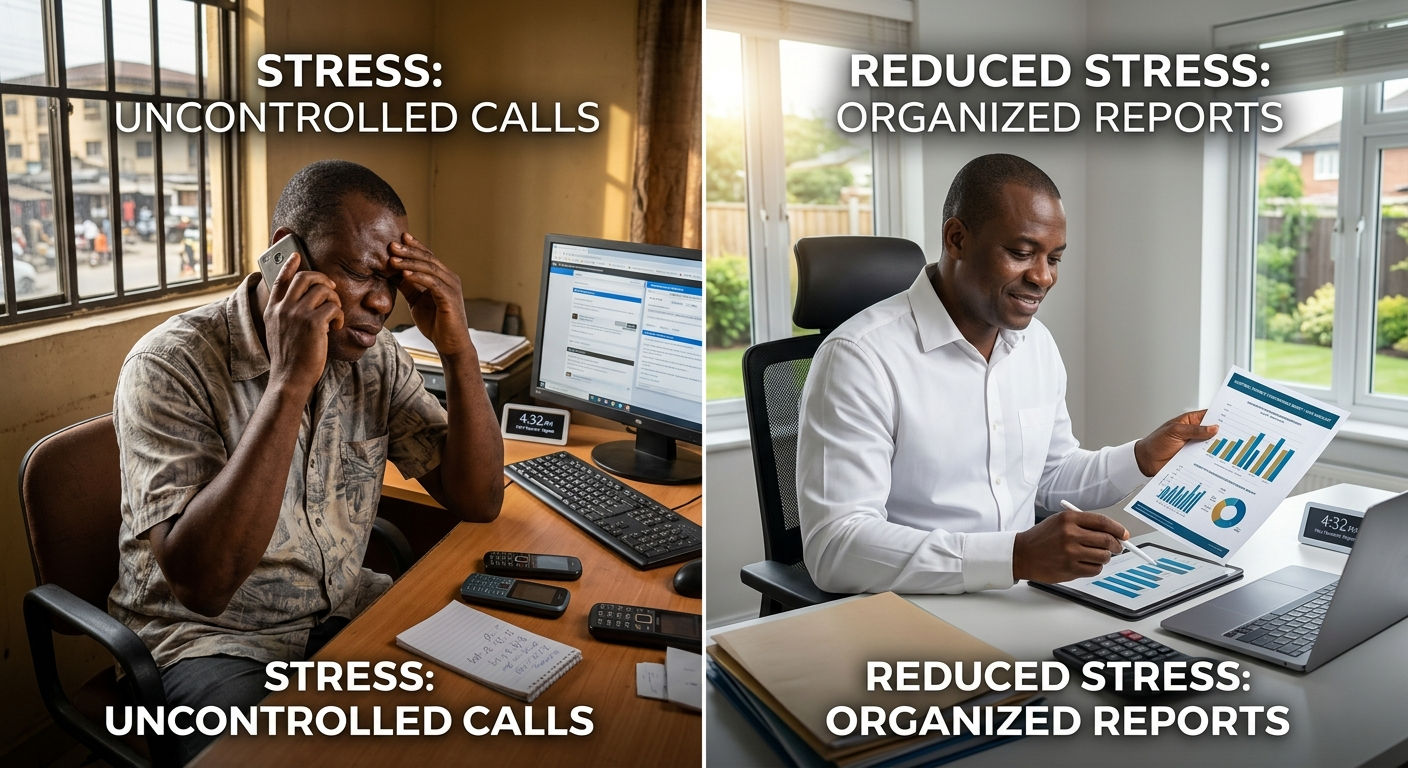
When Tunde bought his first rental property in Lagos, it felt like success. A milestone. A smart investment. But three months later, the calls began. “Master, the water pump has failed.”“Sir, the tenant is complaining.”“Boss, there’s a leak in the roof.” Tunde works in Abuja. The property is in Lagos. Every call increased his stress. He wasn’t just a property owner anymore—he was a remote problem-solver. That’s the reality of property ownership mental load. READ MORE: Handling Repairs Without Panic Calls in Nigerian Properties Property Ownership Mental Load Is More Than Repairs Owning property isn’t just about collecting rent. It’s about: Without structure, the property ownership mental load quietly grows. Property Ownership Mental Load Increases With Distance Many Nigerians in the diaspora or other states feel it most. You worry: Distance multiplies the property ownership mental load. Property Ownership Mental Load Reduces When Oversight Is Professional Tunde eventually made a different decision. Instead of reacting to panic calls, he hired a professional property oversight team. Now: The calls stopped. Not because problems vanished—but because they were handled properly. That’s how the property ownership mental load becomes manageable. Peace of Mind Is Part of Property Value Property should build wealth—not anxiety. If your building is constantly on your mind, it’s time to rethink how it’s managed. IN OTHER NEWS: The ‘Total Package’ Trap: Why Renting a Home in Nigeria is Becoming Nearly Impossible Best Course of Action Stop carrying your property alone. Let professionals manage the oversight so you can focus on your life and career. CONTACT DAFIXAS TODAY 🌐 Website: https://dafixas.com📧 Email: hello@dafixas.com 🏢 Offices:Nigeria — 9 Moses Adebajo Street, Ojodu-Berger, LagosUSA — 8500 Frederickburgs Lane, Houston TX 77083Canada — 102-30 El-Tassi Drive, Winnipeg MB 📞 Calls:Nigeria: +234 707 491 3626 | +234 707 491 3631USA: +1 (832) 847-5261Canada: +1 (431) 990-3777 Your property should grow your wealth—not your stress. Let DaFixas handle the oversight, so you can enjoy the peace that ownership was meant to bring.
Handling Repairs Without Panic Calls in Nigerian Properties
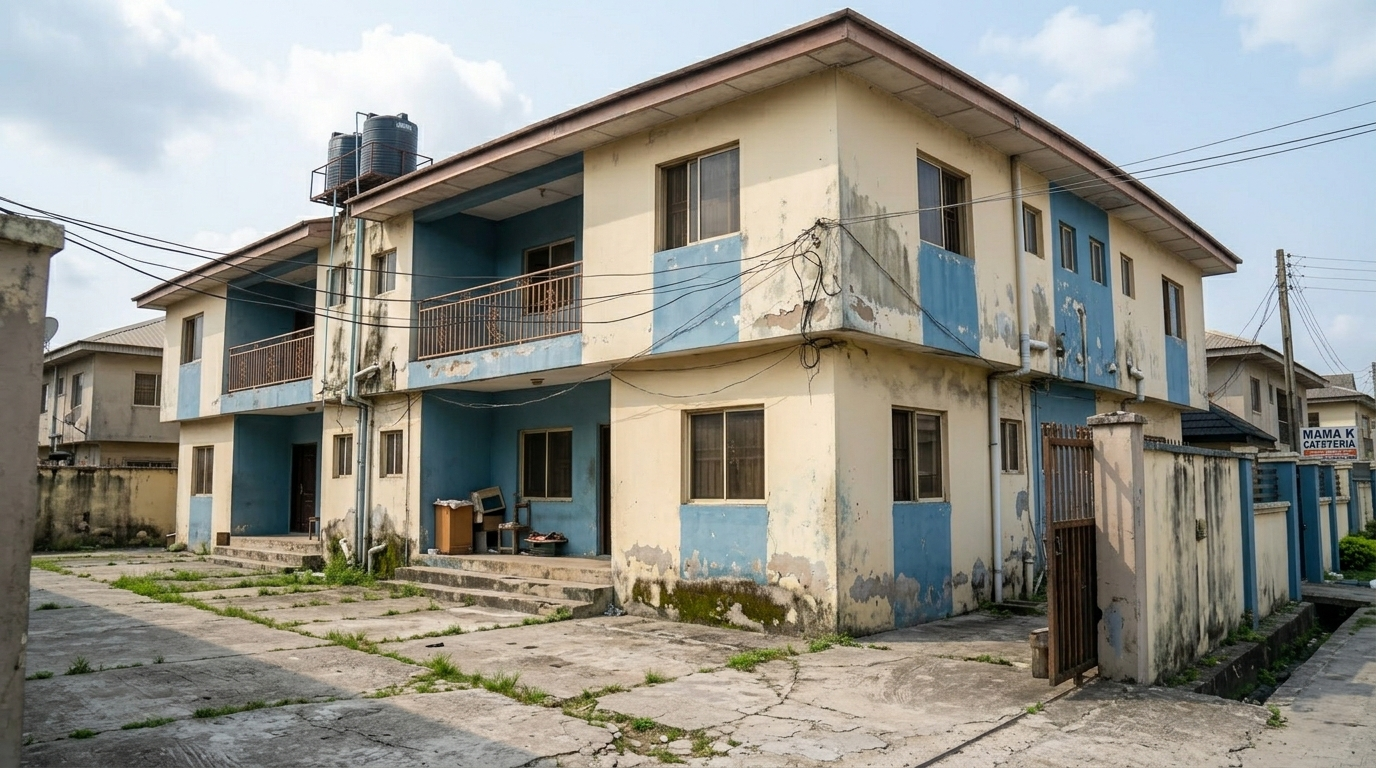
At 2:17am, Chinedu’s phone rang. His tenant in Port Harcourt was shouting—water was flooding the apartment. A burst pipe had soaked the ceilings, damaged furniture, and sent tenants into panic. He learned why handling repairs without panic calls the hardest way possible. From London, Chinedu felt helpless. Calls. Confusion. Emergency repairs. Unexpected costs. That night, he learned the hard way why it is always better to handle repairs before it gets to panic calls, something every property owner must plan for. READ MORE: How to Manage Wear and Tear in Nigerian Buildings Handling Repairs Without Panic Calls Starts with Prevention Most emergency repairs don’t just “happen.” They build up quietly. Weak pipes. Blocked drainage. Aging electrical fittings. Routine inspections would have detected these early. Understanding handling repairs without panic calls means fixing small issues before they become urgent disasters. Handling Repairs Without Panic Calls Requires a System Many property owners rely on random technicians or last-minute solutions. That’s where things go wrong. A structured system—scheduled checks, verified technicians, and proper reporting—ensures issues are handled early and efficiently. With the right system in place, handling repairs without panic calls becomes predictable instead of stressful. Handling Repairs Without Panic Calls Depends on Oversight Distance is a major challenge, especially for diaspora property owners. Without supervision, small faults are ignored, and tenants only report problems when they become emergencies. Professional oversight ensures your property is monitored, maintained, and protected. That’s the real secret behind handling any repairs on the building without panic calls. Chinedu’s Turning Point After the incident, Chinedu changed his approach. He engaged a professional maintenance team to routinely inspect and manage his property. Months later, minor issues were fixed before tenants even noticed them. There were no midnight calls. No panic. And no unnecessary expenses. Today, his property runs smoothly—not because problems disappeared, but because they’re handled early. That’s the power of planning ahead. IN OTHER NEWS: Digital innovation transforms property management in Nigeria’s real estate sector Start Early Don’t wait for your next emergency call to take action. Protect your property with proactive maintenance and professional oversight that keeps everything running smoothly—no stress, no surprises. CONTACT DAFIXAS TODAY 🌐 Website: https://dafixas.com📧 Email: hello@dafixas.com 🏢 Offices:Nigeria — 9 Moses Adebajo Street, Ojodu-Berger, LagosUSA — 8500 Frederickburgs Lane, Houston TX 77083Canada — 102-30 El-Tassi Drive, Winnipeg MB 📞 Calls:Nigeria: +234 707 491 3626 | +234 707 491 3631USA: +1 (832) 847-5261Canada: +1 (431) 990-3777 Stay ahead of repairs—so problems never catch you off guard.

How to Manage Wear and Tear in Nigerian Buildings
When Chibuzo returned to his Port Harcourt property after three years abroad, the house looked almost the same from the outside. But once he stepped inside, the story changed. It was at that point that he recognized that he knew little or nothing about how to manage the wear and tear in Nigerian buildings. Faded paint. A leaking bathroom pipe. Loose door hinges. Small cracks running quietly along the walls. Nothing seemed catastrophic—but together, the issues were expensive. Chibuzo had recently learned about the seriousness of deterioration in Nigerian buildings. READ MORE: What Professional Property Oversight Actually Involves Why Wear and Tear in Nigerian Buildings Happens Every building experiences gradual deterioration over time. Climate conditions, humidity, rainfall, dust, and daily usage all contribute to the deterioration of Nigerian buildings. Common causes include: Without regular monitoring, these small changes quietly accumulate. The Hidden Cost of Ignoring Wear and Tear in Nigerian Buildings Many property owners only act when something breaks. Unfortunately, by the time major repairs become visible, the underlying damage may already be extensive. Unchecked deterioration of Nigerian buildings can lead to: Preventive maintenance is always cheaper than emergency repairs. Managing Wear and Tear in Nigerian Buildings the Smart Way After assessing his property, Chibuzo engaged a professional maintenance service. Routine inspections were scheduled. Minor plumbing faults were repaired. Electrical systems were serviced, and damaged finishes were restored. Within months, the house was no longer deteriorating—it was stable and well maintained. Managing deterioration in Nigerian buildings requires consistent oversight, not occasional fixes. A Simple Truth About Property Ownership Buildings age whether we notice it or not. The difference between a well-preserved property and a deteriorating one is proactive care. Understanding wear and tear in Nigerian buildings allows owners to protect their investment before small issues become large problems. IN OTHER NEWS: Price of poor building maintenance What Every Homeowner Needs to Know Don’t wait until small defects become major repairs. Let professionals help you monitor, maintain, and protect your property with structured maintenance services. Contact DaFixas Today 🌐 Website: https://dafixas.com📧 Email: info@dafixas.com 📍 Office: 9 Moses Adebajo Street, Ojodu-Berger, Lagos 📞 Nigeria: +234 707 491 3626 Protect your property. Preserve its value. Maintain it professionally.

What Professional Property Oversight Actually Involves
When Chika relocated to Canada, she believed her Lagos property was “safe enough.” A cousin held the keys. A tenant paid rent. Occasionally, someone drove past to “check it.” She did not think that professional property oversight is the best option for her home. Two years later, she returned to find peeling paint, plumbing damage, unpaid service charges, and a leaking roof that had quietly worsened. That was when she understood why other investors trust professionals to manage their property oversight for them. READ MORE: The Cost of Delayed Maintenance in Nigerian Properties Explained Professional Property Oversight Goes Beyond Occasional Visits Many property owners think oversight means someone stopping by once in a while. Real professional property management involves structured inspections, documentation, and accountability. Every visit is recorded. When a defect is detected, it is logged. And every risk is assessed early. Small issues are addressed before they grow. Professional Property Oversight Includes Preventive Maintenance Waiting for something to break is reactive. When you engage professionals to oversee your property, they schedule routine checks for plumbing, electrical systems, roofing, drainage, and finishing. Preventive action protects your property’s value and reduces emergency expenses. What seems minor today can become structural tomorrow. Professional Property Oversight Supervises Contractors When repairs are needed, oversight ensures: Without supervision, you risk paying for work that is poorly done—or not done at all. Professional Property Oversight Protects Financial Value Unmonitored properties deteriorate faster. Tenants may misuse facilities. Environmental wear may go unnoticed. Service charges may accumulate quietly. When you engage professionals to manage your property, it helps to preserve both the condition and long-term resale value of the property. The Difference It Made After engaging structured oversight services, Chika’s property was assessed, repaired, and placed on a maintenance schedule. Six months later, the house wasn’t just “fine.” It was stable, documented, and professionally managed. Peace of mind replaced uncertainty. Professional property oversight isn’t about control. It’s about protection. IN OTHER NEWS: Digital innovation transforms property management in Nigeria’s real estate sector WHAT YOU MUST DO If you own property in Nigeria and cannot supervise it personally, don’t rely on informal arrangements. Choose structured, accountable, professional property oversight. CONTACT daFixas TODAY 🌐 Website: https://dafixas.com📧 Email: info@dafixas.com 📞 Nigeria: +234 707 491 3626📍 Office: 9 Moses Adebajo Street, Ojodu-Berger, Lagos Protect your property. Preserve your investment. Gain peace of mind.
The Cost of Delayed Maintenance in Nigerian Properties Explained
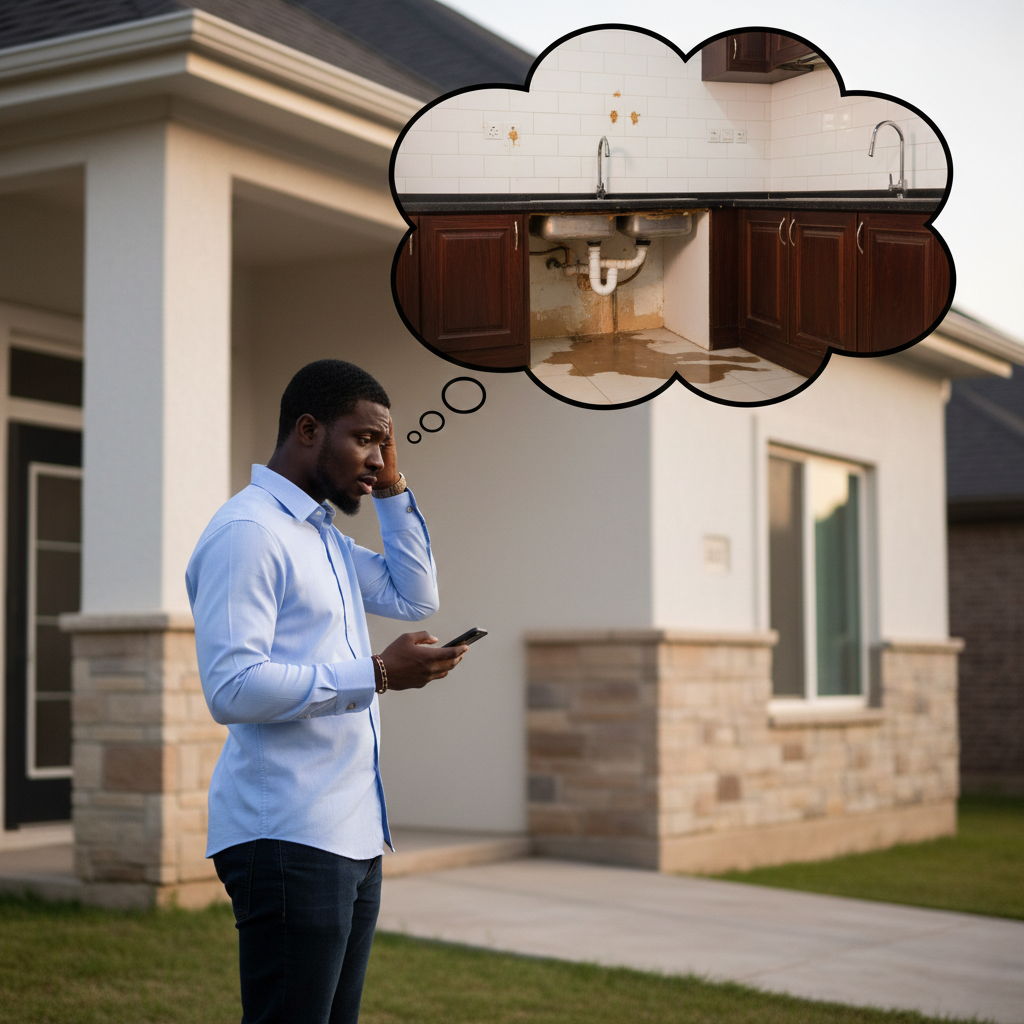
It started with a small water stain. Just a faint patch on the ceiling. Nothing urgent. Nothing alarming. The owner noticed it during a short visit and thought, “I’ll fix it properly next time.” Ife he only knew how expensive the cost of delayed maintenance can prove to be! By the next visit, the ceiling board had softened. The paint had bubbled. The leak had spread behind the walls. What would have cost a modest repair months earlier now required ceiling replacement, rewiring, repainting, and days of labor. This is how the cost of delayed maintenance quietly reveals itself. Not dramatically. Not overnight. But steadily. RREAD MORE: What Happens to Most Nigerian Properties When Owners Travel Abroad The Cost of Delayed Maintenance Is Rarely Immediate One of the reasons delayed maintenance feels harmless is because consequences are not instant. A dripping tap doesn’t flood the house in one day.A minor roof crack doesn’t collapse the building in a week.Peeling paint doesn’t destroy a wall immediately. But over time, moisture spreads. Rust deepens. Electrical systems weaken. What began as a small, affordable fix slowly becomes structural damage. The cost of delayed maintenance grows in silence. The Cost of Delayed Maintenance Multiplies Repair Expenses In many Nigerian properties, small problems interact with climate and usage conditions. Humidity worsens leaks.Heavy rains exploit roof weaknesses.Power fluctuations strain faulty wiring. By postponing maintenance, owners often shift from: The financial difference can be significant. The Cost of Delayed Maintenance Affects Property Value Beyond repair bills, there’s another layer. Properties that are not consistently maintained begin to look tired. Paint fades. Gates rust. Tiles loosen. Prospective tenants notice. Buyers notice. Rental income becomes harder to secure. Resale value weakens. The cost of delayed maintenance is not only about fixing damage — it’s about lost opportunity. Emotional Cost: Stress and Urgency There is also a psychological side. Emergency repairs create panic.Urgent calls disrupt routines.Unexpected expenses strain budgets. Property ownership should feel stable. But when maintenance is delayed repeatedly, ownership begins to feel reactive instead of controlled. Many absentee property owners experience this cycle more often than they expect. Preventive Maintenance Is Less Expensive Than Emergency Repair There is a reason professional property maintenance exists as a structured system. Routine inspections catch small issues early.Scheduled servicing prevents deterioration.Documentation ensures accountability. When maintenance becomes consistent rather than occasional, properties age better — and owners experience fewer surprises. The cost of delayed maintenance is avoidable, but only when problems are addressed before they escalate. A Familiar Pattern — and a Better Alternative The owner with the ceiling stain eventually repaired everything. But what frustrated him most was not the money spent. It was the realization that the entire situation could have been prevented with a simple, early response. Many property owners in Nigeria recognize this pattern. The difference between stable property ownership and constant repair crises often comes down to timing. Small action today prevents major expense tomorrow. IN OTHER NEWS: Digital innovation transforms property management in Nigeria’s real estate sector A Thought Before You Postpone That Repair If there’s something in your property that has needed attention for months — a leak, a crack, peeling paint, faulty wiring — consider what it might become if left unchecked. The cost of delayed maintenance is rarely visible at first. But it is always accumulating. EARLY ACTION PROTECTS YOU If you own property in Nigeria — especially if you spend time away — consider putting a structured maintenance plan in place. Proactive care protects your investment, preserves property value, and gives you peace of mind. Small attention today prevents large expenses tomorrow.
What Happens to Most Nigerian Properties When Owners Travel Abroad
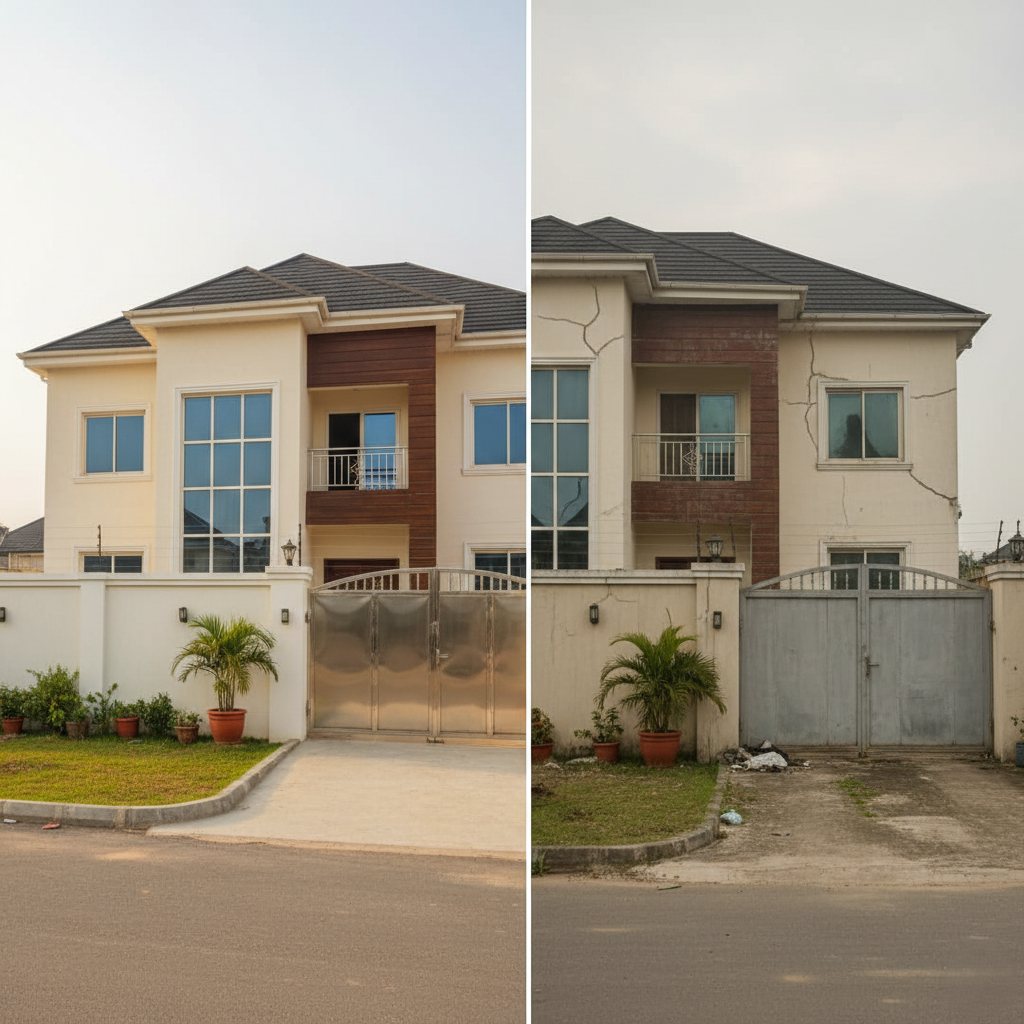
It usually starts with good intentions. A property owner travels abroad for work, school, or a long visit. The house is locked up. A neighbor is informed. A relative promises to “check on it once in a while.” Everyone feels confident. But what happens thereafter typifies what happens to most Nigerian properties when owners travel abroad. Months later, when the owner returns, the house feels… different. There’s a smell that wasn’t there before. A tap leaks quietly. The paint looks tired. Small issues have grown into repairs that can’t be ignored. This is often what happens when most home owners in Nigerian travel abroad—not through dramatic events, but through quiet neglect. READ MORE: Why Emergency Repairs in Nigeria Always Cost More Than Planned Maintenance What Happens to Most Nigerian Properties When Owners Travel: Silence Sets In A lived-in house speaks. You hear when something breaks. Again, you notice when water pressure changes. Later, you smell dampness early. When a house is empty, these signals go unnoticed. This silence is one of the biggest risks Nigerian properties face when owners travel. Problems don’t announce themselves. They accumulate. What Happens to Most Nigerian Properties When Owners Travel: Small Issues Multiply One leaking pipe.One blocked drainage line.One faulty socket. Individually, they’re minor. Together, over time, they become expensive. What happens to most Nigerian properties when owners travel is not sudden destruction, but slow deterioration. And because no one feels fully responsible, action is delayed. What Happens to Most Nigerian Properties When Owners Travel: “Someone Is Watching It” Becomes Nobody Is Many owners rely on goodwill. A cousin. A neighbor. A caretaker who isn’t supervised. The problem isn’t bad intentions. It’s lack of structure. Without clear responsibility, inspection schedules, or reporting, properties fall into a grey area where everyone assumes someone else is paying attention. Often, they’re not. Vacant Properties Attract the Wrong Kind of Attention An empty house is noticeable. Overgrown hedges, dusty windows, locked gates that never open — these quietly signal absence. In some areas, this attracts opportunistic behavior, unauthorized use, or gradual encroachment. This is another uncomfortable reality of what happens to most Nigerian properties when owners travel. The Emotional Cost Is Often Higher Than the Financial One Many returning owners feel frustration, disappointment, even guilt. “I should have handled this better.”“I didn’t think it would get this bad.” The financial repairs hurt, but the emotional weight of seeing a once-loved property decline can be heavier. IN OTHER NEWS: Rental Income in Nigeria: What People Don’t Talk About Before Investing Properties That Stay Healthy While Owners Travel Do One Thing Differently They are actively overseen, not passively remembered. These properties: Nothing extraordinary. Just consistency. A Familiar Ending — or a Better One Many Nigerian property owners only truly understand what happens to most Nigerian properties when owners travel after experiencing it themselves. But it doesn’t have to be that way. With the right systems, oversight, and planning, a property can remain stable, valuable, and ready — even when the owner is thousands of miles away. What You Must Do If you own property in Nigeria and spend long periods away, take a moment to think beyond locking the gate. A little structure today can prevent major repairs tomorrow.

Why Emergency Repairs in Nigeria Always Cost More Than Planned Maintenance
The Night the Office Went Dark It was 10:47 p.m. in Lekki when Mrs. Kemi’s phone rang. Her small office building — the one she planned to rent out the next week — was flooded. A burst pipe. Live electrical cables. Tenants panicking. Earlier, she had acted like other home owners who failed to recognize that emergency repairs in Nigeria tend to cost more than the real maintenance work. By morning, what could have been a ₦40,000 routine fix had turned into a ₦1.2 million emergency repair. This is the hidden truth many property owners learn too late: emergency repairs always come with pain in Nigeria. READ MORE: DIY Electrical and Plumbing Repairs in Nigeria: When “Managing It” Turns Into Regret Why Emergency Repairs in Nigeria Are So Expensive Emergency repairs don’t just fix problems — they fix panic. And panic is costly. Emergency repairs in your building often mean: Urgency removes options. And fewer options always mean higher bills. Planned Maintenance vs Emergency Repairs in Nigeria Planned maintenance is calm. Emergency repairs are chaotic. With planned maintenance: With emergency repairs in Nigeria: One protects your building. The other drains it. Common Emergencies That Start as “Small Issues” Most emergency repairs in Nigeria begin as: Later is when emergencies happen. The Emotional Cost Nobody Talks About Beyond money, emergency repairs steal: Landlords lose tenants.Businesses lose customers.Homeowners lose control. All because maintenance was delayed. How to Avoid Emergency Repairs in Nigeria Smart property owners do three things: Planned maintenance is not an expense. It’s insurance. IN OTHER NEWS: Expert urges use of technology in facility management The Lesson Mrs. Kemi Never Forgot Months after the flood, she said: “If I had maintained the building properly, that night would never have happened.” Emergency repairs in Nigeria don’t announce themselves. They arrive suddenly — and demand payment in full. ✅ FIX SMALL ISSUES BEFORE THEY BECOME EMERGENCIES Don’t wait for emergencies to force your hand. 📞 Contact DaFixas Today🌐 Website: https://dafixas.com📧 Email: hello@dafixas.com 🏢 Offices:Nigeria — 9 Moses Adebajo Street, Ojodu-Berger, LagosUSA — 8500 Frederickburgs Lane, Houston TX 77083Canada — 102-30 El-Tassi Drive, Winnipeg MB 📞 Calls:Nigeria: +234 707 491 3626 | +234 707 491 3631USA: +1 (832) 847-5261Canada: +1 (431) 990-3777 Plan maintenance today — or pay for emergencies tomorrow.