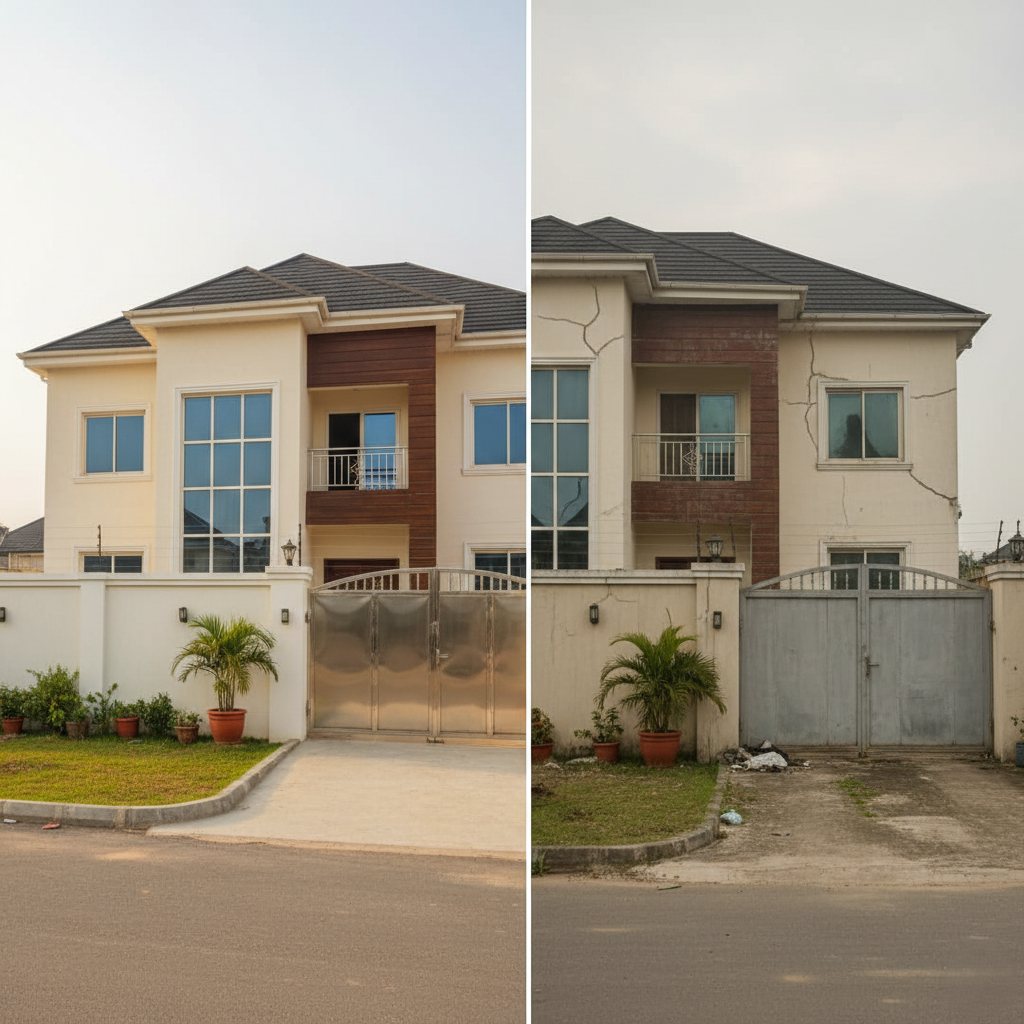
It usually starts with good intentions. A property owner travels abroad for work, school, or a long visit. The house is locked up. A neighbor is informed. A relative promises to “check on it once in a while.” Everyone feels confident. But what happens thereafter typifies what happens to most Nigerian properties when owners travel abroad.
Months later, when the owner returns, the house feels… different. There’s a smell that wasn’t there before. A tap leaks quietly. The paint looks tired. Small issues have grown into repairs that can’t be ignored.
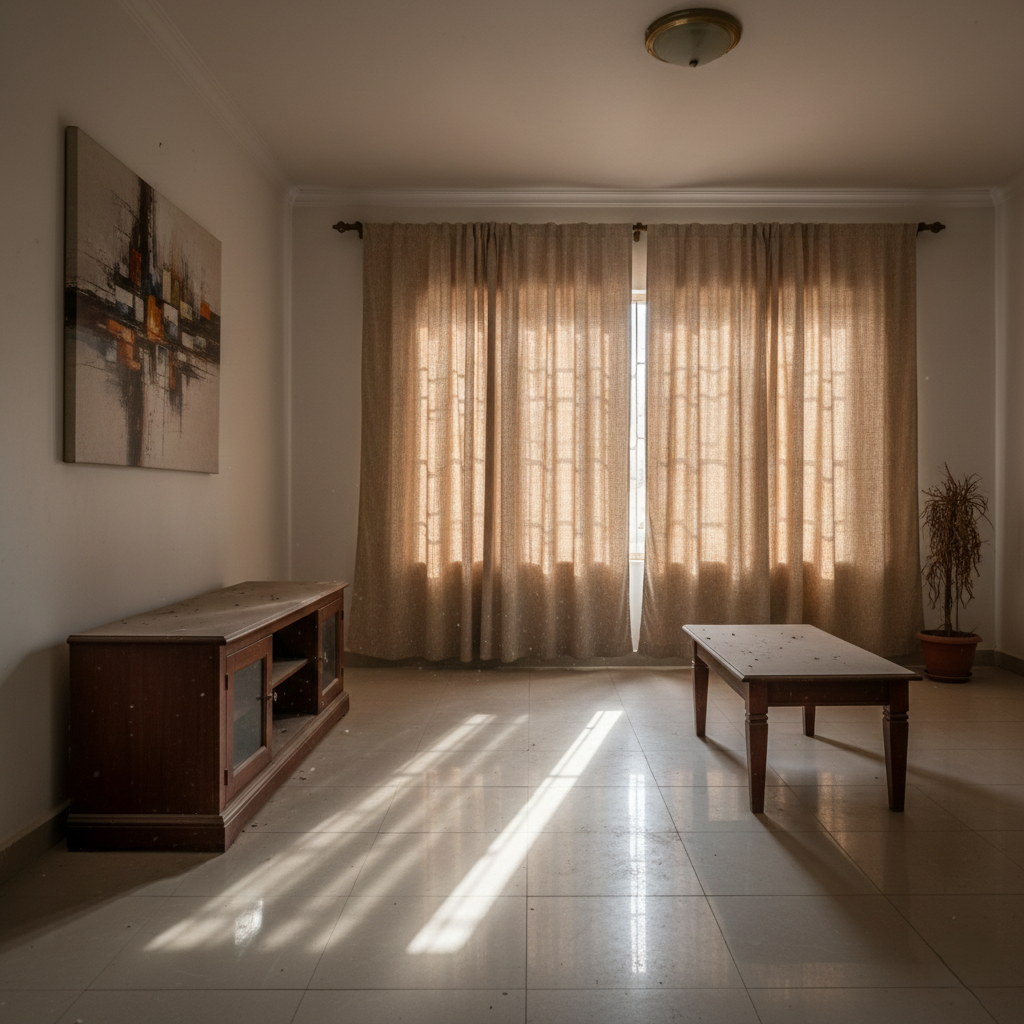
This is often what happens when most home owners in Nigerian travel abroad—not through dramatic events, but through quiet neglect.
READ MORE: Why Emergency Repairs in Nigeria Always Cost More Than Planned Maintenance
What Happens to Most Nigerian Properties When Owners Travel: Silence Sets In
A lived-in house speaks. You hear when something breaks. Again, you notice when water pressure changes. Later, you smell dampness early. When a house is empty, these signals go unnoticed.
This silence is one of the biggest risks Nigerian properties face when owners travel. Problems don’t announce themselves. They accumulate.
What Happens to Most Nigerian Properties When Owners Travel: Small Issues Multiply
One leaking pipe.
One blocked drainage line.
One faulty socket.
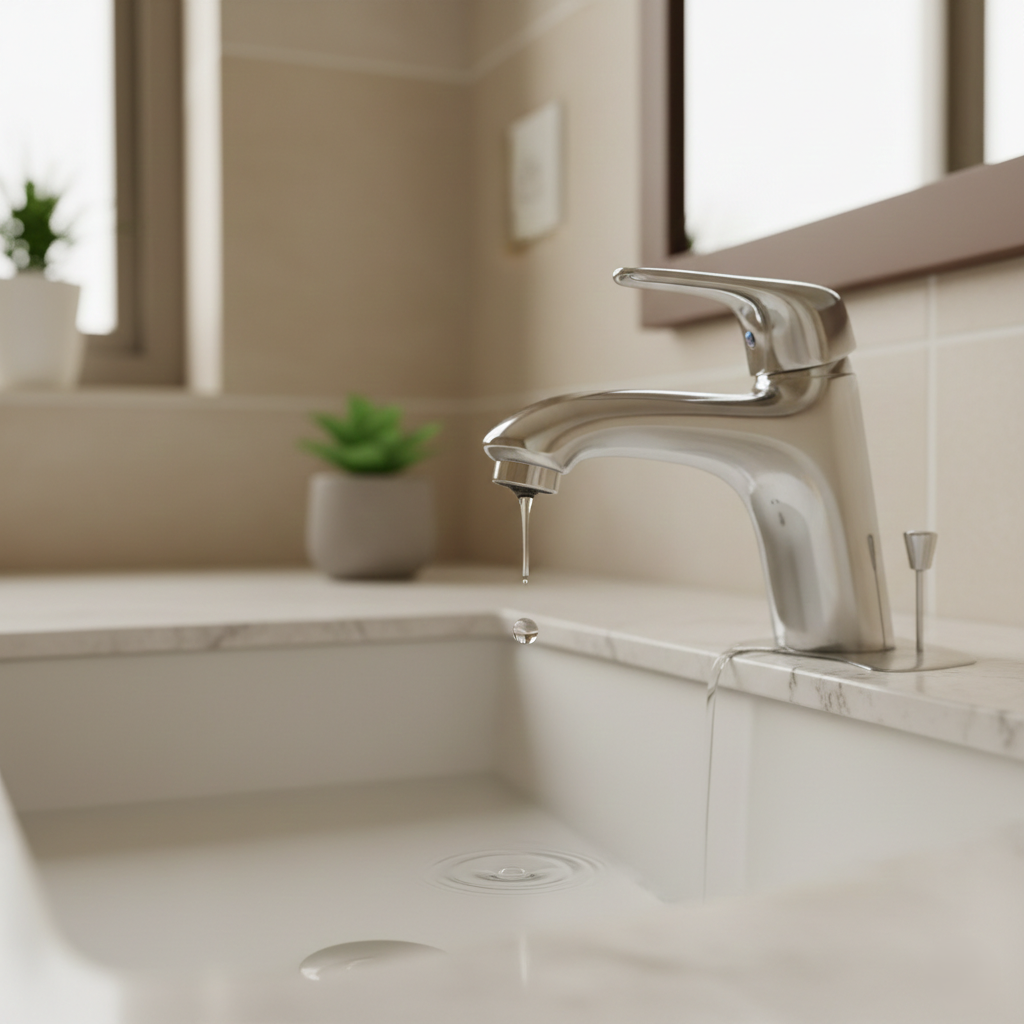
Individually, they’re minor. Together, over time, they become expensive. What happens to most Nigerian properties when owners travel is not sudden destruction, but slow deterioration. And because no one feels fully responsible, action is delayed.
What Happens to Most Nigerian Properties When Owners Travel: “Someone Is Watching It” Becomes Nobody Is
Many owners rely on goodwill. A cousin. A neighbor. A caretaker who isn’t supervised.
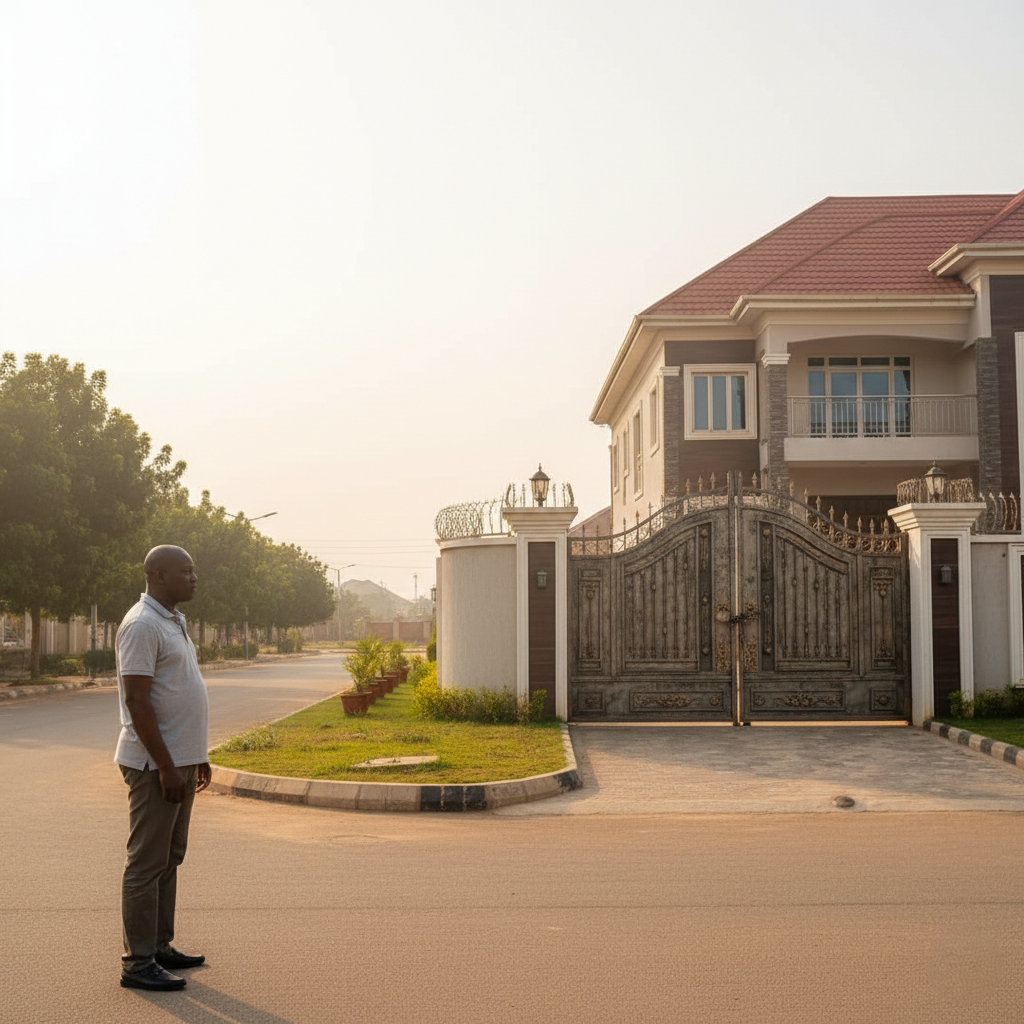
The problem isn’t bad intentions. It’s lack of structure. Without clear responsibility, inspection schedules, or reporting, properties fall into a grey area where everyone assumes someone else is paying attention.
Often, they’re not.
Vacant Properties Attract the Wrong Kind of Attention
An empty house is noticeable. Overgrown hedges, dusty windows, locked gates that never open — these quietly signal absence. In some areas, this attracts opportunistic behavior, unauthorized use, or gradual encroachment.
This is another uncomfortable reality of what happens to most Nigerian properties when owners travel.
The Emotional Cost Is Often Higher Than the Financial One
Many returning owners feel frustration, disappointment, even guilt.
“I should have handled this better.”
“I didn’t think it would get this bad.”
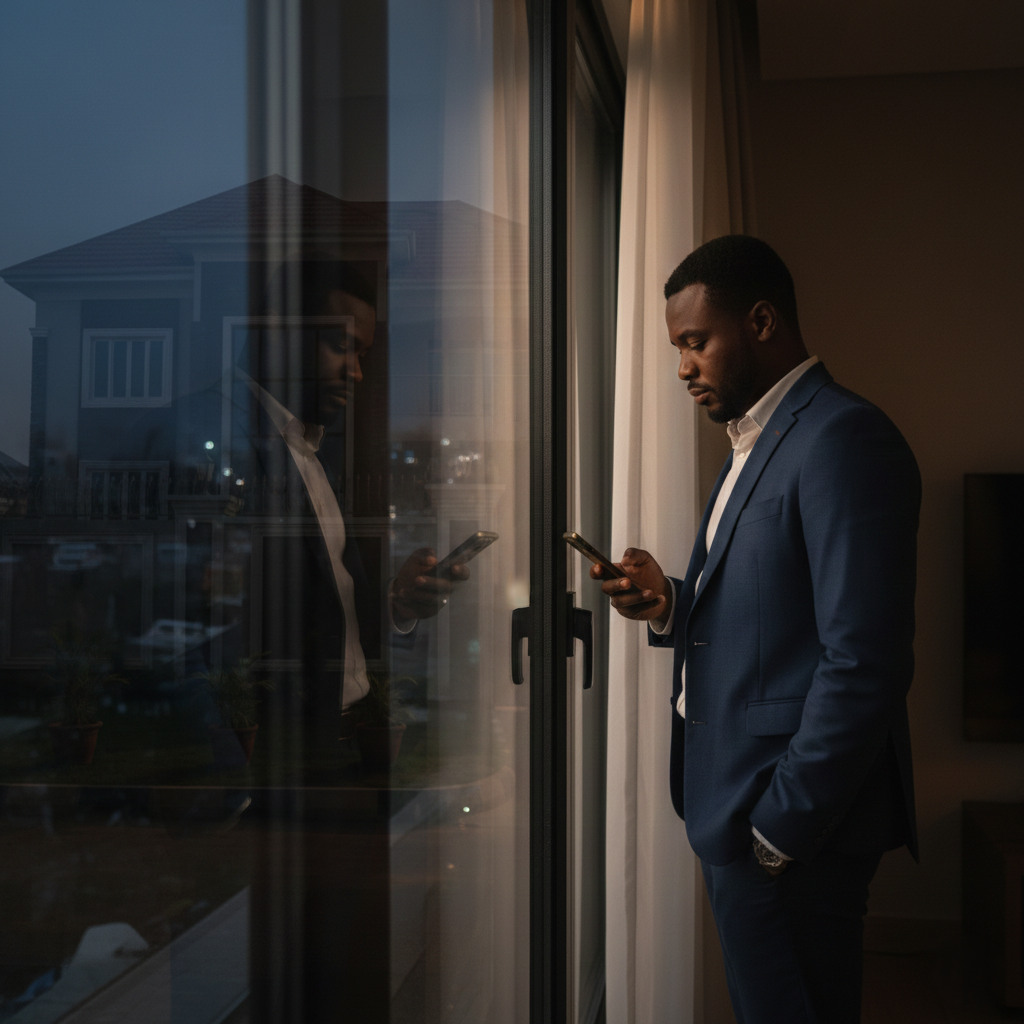
The financial repairs hurt, but the emotional weight of seeing a once-loved property decline can be heavier.
IN OTHER NEWS: Rental Income in Nigeria: What People Don’t Talk About Before Investing
Properties That Stay Healthy While Owners Travel Do One Thing Differently
They are actively overseen, not passively remembered.
These properties:
- are inspected regularly
- have minor issues fixed early
- look occupied even when they’re not
- have clear accountability
Nothing extraordinary. Just consistency.
A Familiar Ending — or a Better One
Many Nigerian property owners only truly understand what happens to most Nigerian properties when owners travel after experiencing it themselves.
But it doesn’t have to be that way.
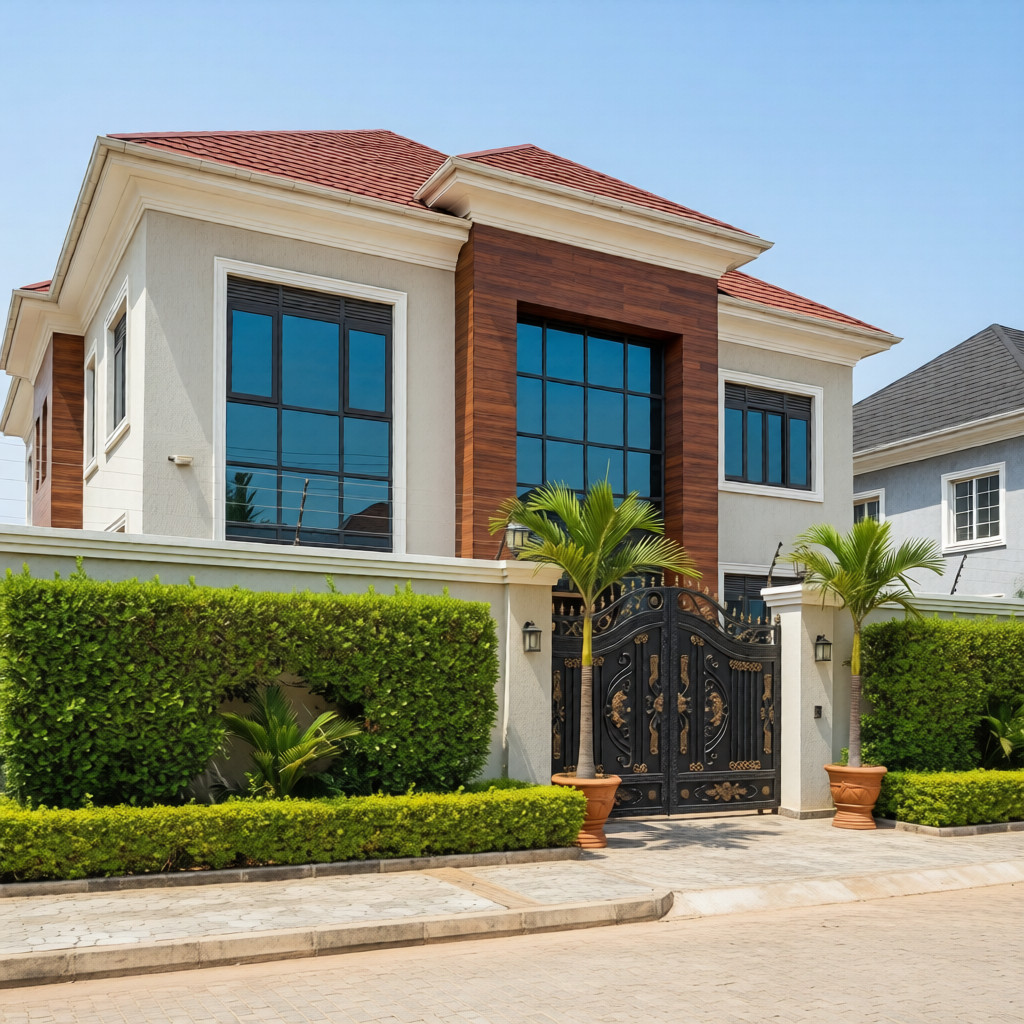
With the right systems, oversight, and planning, a property can remain stable, valuable, and ready — even when the owner is thousands of miles away.
What You Must Do
If you own property in Nigeria and spend long periods away, take a moment to think beyond locking the gate.
A little structure today can prevent major repairs tomorrow.